About the Department
Responsible Doctors
Frequently Asked Questions
What Are the Symptoms of Blocked Heart Arteries?
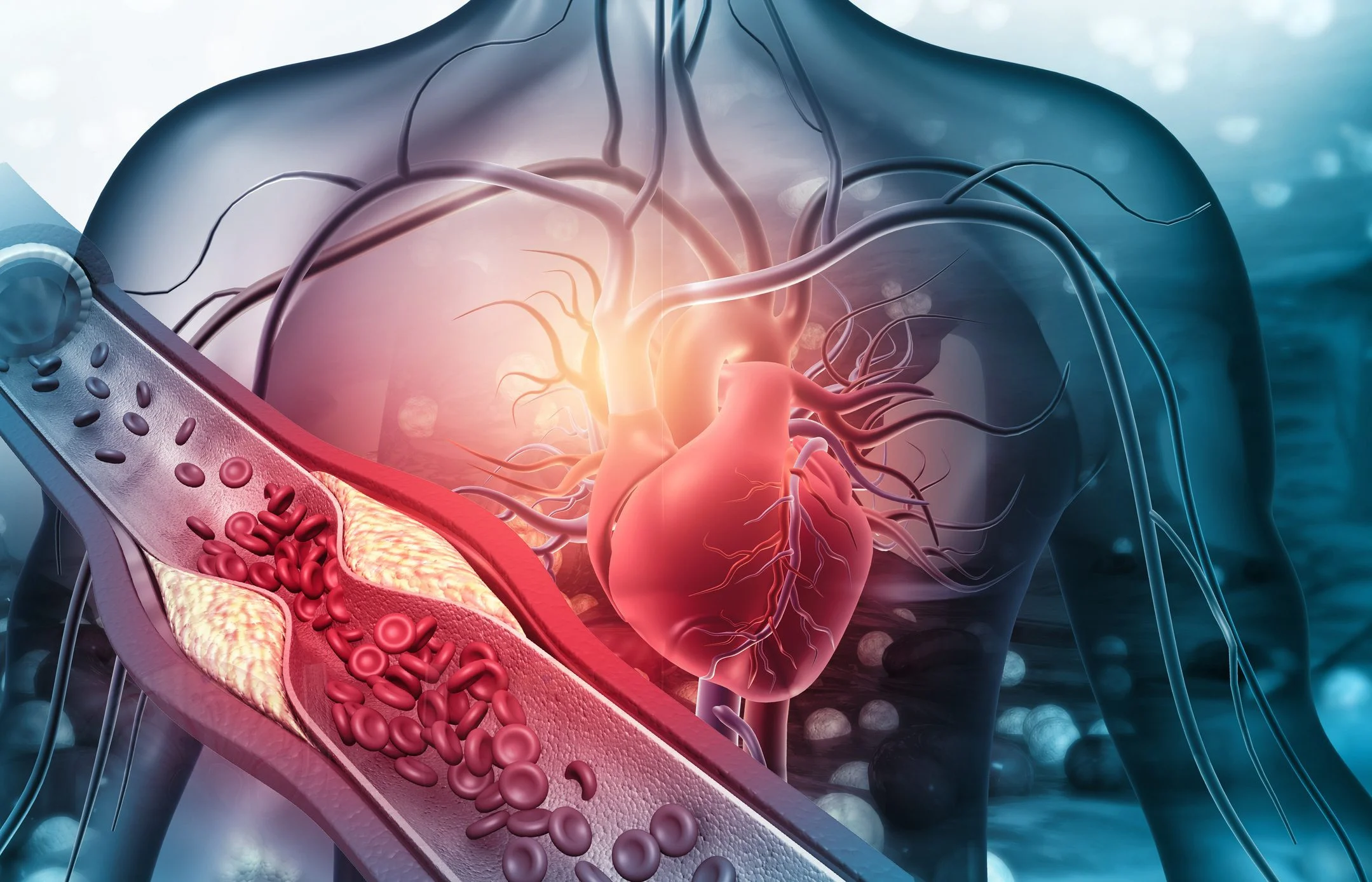
Chest pain, shortness of breath, easy fatigue, and pain radiating to the left arm are among the most common symptoms of Coronary Artery Disease.
Who Is More Likely to Develop Blocked Heart Arteries?
Coronary artery disease is more commonly seen in individuals who smoke and in those with diabetes, hypertension, or high cholesterol levels.
When Is Bypass Surgery Necessary?
Surgical treatment may be recommended when multiple coronary arteries are severely blocked or when stent placement is not considered a suitable option.
What Happens If Varicose Veins Are Left Untreated?
Over time, varicose veins can cause pain, swelling, skin changes, and the development of leg ulcers.
Is an Aortic Aneurysm Dangerous?
Yes. If the enlargement progresses, the aorta may rupture, leading to a life-threatening condition.
How Long Does Recovery Take After Heart Surgery?
Most patients are able to return to their normal daily activities within 4 to 8 weeks after heart surgery.
Can a Blocked Artery Be Opened with Medication?
Medications can help slow the progression of the disease, but in cases of advanced arterial blockage, interventional procedures or surgical treatment may be necessary.
Can Heart and Vascular Diseases Be Prevented?
Yes. Quitting smoking, engaging in regular physical activity, maintaining a healthy diet, and attending routine medical check-ups are essential for reducing the risk of heart and vascular diseases.