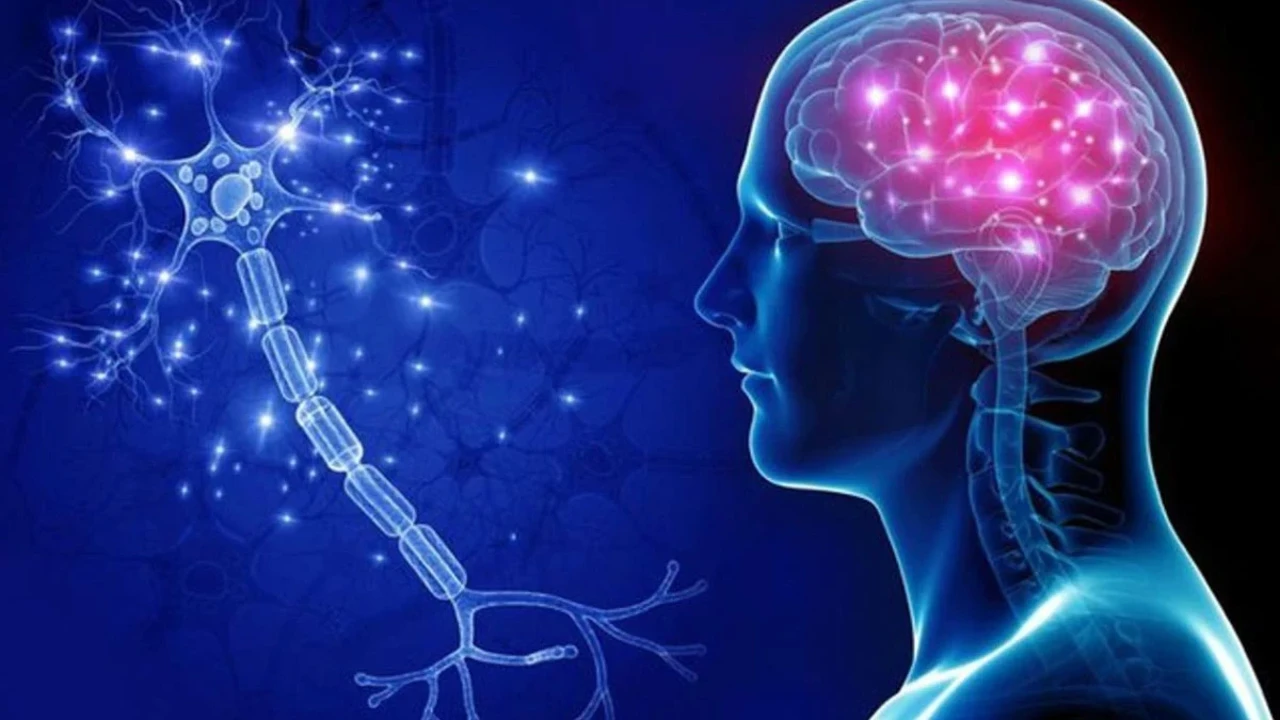
About the Department
Neurology is the medical specialty concerned with the diagnosis and treatment of disorders affecting the brain, spinal cord, nervous system, and muscles. Common neurological conditions include headaches (such as migraines), epilepsy (seizure disorders), stroke, Parkinson’s disease, Alzheimer’s disease, and other forms of dementia.
In the neurology department, advanced diagnostic methods such as EEG, EMG, and MRI are used to detect disorders at an early stage and develop an appropriate treatment plan. Early diagnosis is particularly crucial in the management of stroke and neurodegenerative diseases. 🧠
Responsible Doctors
No doctors assigned to this department.
Frequently Asked Questions
When should a headache be taken seriously?
Severe, sudden-onset, or frequently recurring headaches should always be evaluated by a healthcare professional.
What is migraine?
Migraine is a condition characterized by recurrent attacks of headache, typically affecting one side of the head and often described as throbbing or pulsating.
What are the symptoms of a stroke?
Facial drooping, speech difficulties, and weakness in the arm or leg are the most important symptoms and require immediate medical attention.
Can epilepsy be treated?
In most patients, seizures can be effectively controlled with medication.
Is forgetfulness always a sign of Alzheimer's disease?
No, forgetfulness can also be caused by stress, fatigue, or vitamin deficiencies.
When should you consult a neurologist?
A neurologist should be consulted in cases of frequent headaches, dizziness, fainting, numbness, muscle weakness, or memory problems.