Cardiology

Medical Unit

Cardiology

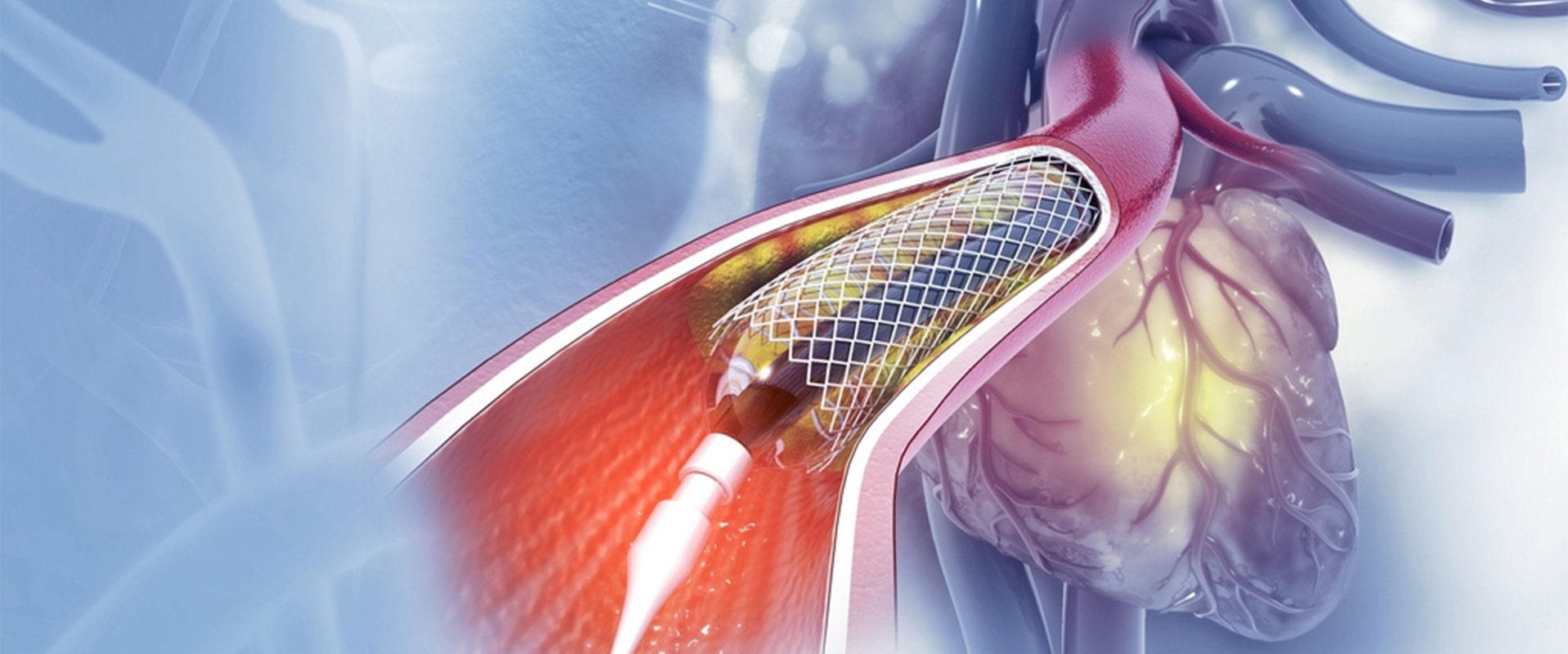
Cardiology is the medical specialty dedicated to the diagnosis, treatment, and management of diseases affecting the heart and vascular system. This field focuses on the prevention, early detection, and treatment of cardiovascular conditions to help maintain long-term heart health. Common disorders encountered in cardiology include arrhythmias, hypertension, coronary artery disease, heart valve disorders, and heart failure.

About the Department

Cardiology is the medical specialty dedicated to the diagnosis, treatment, and management of diseases affecting the heart and vascular system. Common cardiovascular conditions include arrhythmias, hypertension, coronary artery disease, heart valve disorders, and heart failure. Cardiologists play a crucial role in preventing, diagnosing, and treating heart-related conditions to support long-term cardiovascular health.

Contact

Contact us quickly for an appointment.

0232 854 1 854

Responsible Doctors

Frequently Asked Questions

When Is Heart Palpitation Considered Dangerous?

Frequent, prolonged, or recurrent palpitations accompanied by symptoms such as fainting or chest pain should be promptly evaluated by a healthcare professional.

What Causes High Blood Pressure (Hypertension)?

Genetic factors, stress, an unhealthy diet, and a sedentary lifestyle can contribute to the development of hypertension.

Is Chest Pain Always a Sign of Heart Disease?

No, chest pain may also originate from the musculoskeletal system or the stomach. However, the possibility of heart disease should always be carefully evaluated.

What Are the Symptoms of a Heart Attack?

The most common symptoms include chest pressure or discomfort, pain radiating to the left arm or jaw, shortness of breath, and excessive sweating.

Can Heart Disease Be Prevented?

The risk of heart disease can be significantly reduced through a healthy diet, regular exercise, avoiding smoking, and routine medical check-ups.

When Should I Consult a Cardiologist?

You should consult a cardiologist if you experience symptoms such as chest pain, shortness of breath, palpitations, fainting, or high blood pressure.

Necessary cookies

Needed for sessions, form security and remembering your privacy choices.

Always active

Analytics cookies

This version uses no cookies to analyse visitor behaviour.

Not used

Advertising and marketing cookies

This version uses no advertising pixels or personalised advertising cookies.

Not used