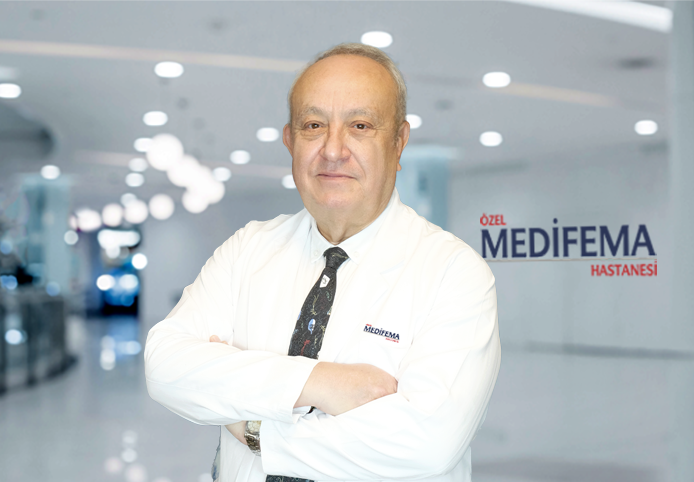
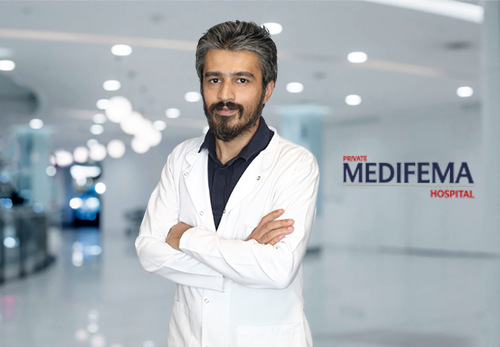
Op. Dr. Sami Toyran
Ophthalmology

Op. Dr. Sami Toyran

1970 yılında Kırşehir ili Kaman ilçesinde dünyaya geldim. Bursa Işıklar Askeri Lisesinden mezun olduktan sonra, Ankara GATA Tıp Fakültesinde şimdiki meslek hayatımın eğitimine başladım. 1994 yılında G...

6
Education
10
Q & A
9
Institutions
Active
About

About the Doctor
Learn More

1970 yılında Kırşehir ili Kaman ilçesinde dünyaya geldim. Bursa Işıklar Askeri Lisesinden mezun olduktan sonra, Ankara GATA Tıp Fakültesinde şimdiki meslek hayatımın eğitimine başladım. 1994 yılında GATA Tıp Fakültesinden mezun oldum. 1994-1997 yıllarında Şırnak Askeri Hastanesinde zorunlu kıta hizmetimden sonra GATA Haydarpaşa Eğitim Hastanesi Göz Hastalıkları servisinde, göz hastalıkları eğitimimi tamamlayarak 2000 yılında mezun oldum. 2000-2003 yıllarında Ankara’da çeşitli askeri Hastanelerde çalıştıktan sonra Amerika Birleşik Devletlerinin Illinois eyaletinde UIC Üniversitesinde Prof.Dr. Deepak Edward önderliğinde glokom alanında klinik gözlemci ve araştırmacı fellow olarak çalıştım. 2004 yılından sonra yine Ankara ve İzmir’de Askeri kurum ve kuruluşlarda Göz Hastalıkları Uzmanı olarak çalıştıktan sonra 2015 yılı itibariyle kendi isteğim ile emekli oldum. Halen devlet hizmetine ek olarak mesleğimi Özel sağlık kuruluşunda uygulamaya devam etmekteyim. Türk Oftalmoloji Derneği aktif üyesi olarak, katarakt, glokom, uvea, şaşılık, göz kapak estetiği ve retina hastalıkları konusunda günlük hasta pratiği ve girişimsel tedavileri ile ilgili bilgi ve deneyimlerimi özel çalışma alanlarım olarak uygulamaktayım. Ulusal ve uluslararası toplantı, panel ve kongrelerde sunularak paylaşılmış bilimsel çalışmalarıma ve yine bu alanlarda paylaşılmış makale ve olgu sunumu eserlerime güncel tedavi yöntemleri ve teknolojik donanımların gelişmesine paralel olacak şekilde devam etmekteyim.
Education & Expertise

Specialty:

Ophthalmology

Undergraduate Education:

Gülhane Military Medical Academy (GATA) Faculty of Medicine, Ankara

Medical Specialty Training:

GATA Haydarpaşa Training Hospital, Ophthalmology Clinic

International Professional Training and Research:

University of Illinois at Chicago (UIC), Department of Ophthalmology and Visual Sciences, USA. Worked as a clinical observer and research fellow in the field of glaucoma under Prof. Dr. Deepak P. Edward. Period: 2003–2004

Areas of Special Interest:

Cataract Glaucoma Retinal diseases Uveitis Strabismus Oculoplastic surgery Interventional treatments for eye diseases

Certificates and Courses

Occupational Physician Certificate 2014 The Clinical Sciences Examination in Ophthalmology International Council of Ophthalmology – London, April 18, 2013 – International competency certificate Course on Retinal Diseases GATA Professional Development Course, Ankara, February 2–March 13, 2009 Cornea and Keratoplasty Course GATA Professional Development Course, Ankara, February 18–March 28, 2008 Specialist Physician Professional Development Training Course GATA, Ankara, May 14–25, 2007 Research Fellowship in Glaucoma University of Illinois at Chicago, Department of Ophthalmology and Visual Sciences, August 18, 2003–2004 – International Ophthalmology Clinical Review Course Rush University Medical Center, Chicago, February 13–15, 2004 – International Investigator Education Certification University of Illinois at Chicago, January 13, 2004 – International investigator training UIC Animal Care Committee Training University of Illinois at Chicago, October 10, 2003 – International The Basic Science Assessment in Ophthalmology, Optics and Refraction International Council of Ophthalmology – London, May 19, 2003 – International competency certificate Laser Course in Ophthalmology Turkish Ophthalmological Association 22nd National Ophthalmology Course, Ankara, April 5–7, 2002 Foreign Languages Course Gendarmerie Schools Command, Ankara, February 5–June 8, 2001 Microsurgery Certificate GATA Microsurgery Training and Research Center, Ankara, October 2–6, 2000 Basic and Emergency Life Support Course GATA Military and Medical Adaptation Training, Ankara, March 6–17, 1995 Field Health Services Course GATA, Ankara, September 19–December 16, 1994 SCIENTIFIC PROJECTS International Projects Femtosecond Laser Photodisruption in Rat Eyes Role: Principal Investigator Institution: University of Illinois at Chicago Date: April 20, 2003–August 18, 2004 The Neuroprotective Effect of TRAAK Channels in Retinal Ganglion Cells in Rats Role: Principal Investigator Institution: University of Illinois at Chicago Date: August 24, 2003–April 29, 2004

Work History

Institutions Worked At

Private Healthcare Institution

2015

Ophthalmology Specialist

İzmir Military Hospital

2013 – 2015

Ophthalmology Specialist

Karşıyaka Dispensary Chief Physician's Office

2010 – 2013

Ophthalmology Specialist

Etimesgut Military Hospital

2007 – 2010

Ophthalmology Specialist

Beytepe Military Hospital

2004 – 2007

Ophthalmology Specialist

University of Illinois at Chicago, USA

2003 – 2004

Glaucoma Research Fellow and Clinical Observer

Anıttepe Dispensary Chief Physician's Office

2000 – 2003

Ophthalmology Specialist

GATA Haydarpaşa Training Hospital

1997 – 2000

Ophthalmology Residency Training

Şırnak Military Hospital

1994 – 1997

General Practitioner – Mandatory Military Service

Frequently Asked Questions

About Ophthalmology
Frequently Wondered

The frequency of eye examinations varies depending on age, existing medical conditions, family history, and symptoms. Individuals over the age of sixty are generally advised to have a comprehensive eye examination every 1–2 years, while those with diabetes should have at least one comprehensive eye examination per year.
Dry eye may result from insufficient tear production, rapid evaporation, or changes in tear composition. Common symptoms include burning, stinging, a gritty sensation, redness, light sensitivity, and blurred vision.
Cataracts may not cause symptoms in the early stages. As the condition progresses, symptoms may include blurred or cloudy vision, faded colors, decreased night vision, glare from lights, and frequent changes in eyeglass prescription.
Yes. The most common type of glaucoma typically does not cause pain or visual complaints in the early stages. As the disease advances, peripheral vision loss may occur. Therefore, regular eye examinations are important.
Floaters are most often caused by age-related changes in the gel-like substance inside the eye. However, a sudden increase in floaters, flashes of light, or the appearance of a curtain or shadow in the visual field may indicate a retinal tear or detachment and requires urgent evaluation.
Prolonged screen use can cause eye fatigue, dryness, temporary blurred vision, and headaches. Taking regular breaks, blinking frequently, adjusting screen distance, and optimizing ambient lighting can help reduce these complaints. There is currently insufficient scientific evidence to show that blue light from digital screens causes permanent eye damage.
No. Glasses simply help focus light correctly onto the retina, providing clearer vision. They do not weaken the eyes or cause an increase in prescription strength.
Hands should be washed before handling contact lenses, and lenses should be cleaned with the recommended solution and not worn beyond the advised duration. Sleeping, showering, or swimming with lenses increases the risk of infection. If redness, pain, or decreased vision occurs, remove the lenses and consult an ophthalmologist.
Diabetes can affect the small blood vessels in the retina, leading to diabetic retinopathy. The disease may not cause symptoms in its early stages; as it progresses, blurred vision, floaters, and vision loss may develop. Blood sugar, blood pressure, and cholesterol control, along with regular eye examinations, are important.
Sudden vision loss in one or both eyes, severe eye pain, chemical exposure, eye trauma, sudden flashes of light, or curtain-like shadows are considered emergencies. Immediate consultation with an ophthalmologist or presentation to the emergency department is advised.
Appointment

Medical Appointment with Op. Dr. Sami Toyran

To book an appointment with Op. Dr. Sami Toyran, a specialist in Ophthalmology, click the button below or call us.

Our Team

Other Specialists

Necessary cookies

Needed for sessions, form security and remembering your privacy choices.

Always active

Analytics cookies

This version uses no cookies to analyse visitor behaviour.

Not used

Advertising and marketing cookies

This version uses no advertising pixels or personalised advertising cookies.

Not used

Op. Dr. Sami Toyran · Ophthalmology